





HomeCategory

FinTech

Blogs

Globally incubate standards compliant channels before scalable benefits. Quickly disseminate superior deliverables whereas web-enabled applications. Quickly drive clicks-and-mortar catalysts for change before vertical architectures.
bt_bb_section_bottom_section_coverage_image
The Future of DevSecOps: How AI is Enhancing Security in Software Development
Introduction In today’s fast-paced software development landscape, security can no longer be an afterthought. DevSecOps (Development, Security, and Operations) integrates security into every phase of the software development lifecycle (SDLC), ensuring that applications are secure by design. However, traditional security practices often struggle to keep up with rapid development cycles, leading to vulnerabilities and compliance...
AI in DevOps: How AI is Revolutionizing CI/CD Pipelines
Introduction In modern software development, Continuous Integration (CI) and Continuous Deployment (CD) have become crucial for automating builds, testing, and deployments. However, traditional CI/CD pipelines often suffer from inefficiencies like slow builds, flaky tests, security vulnerabilities, and manual interventions. With the integration of Artificial Intelligence (AI) and Machine Learning (ML), DevOps teams can optimize their...
Building Smarter Web Applications with AI and Machine Learning
Introduction Web applications have evolved significantly with the integration of Artificial Intelligence (AI) and Machine Learning (ML). AI-powered web apps provide personalized experiences, automation, predictive analytics, and intelligent decision-making. From chatbots and recommendation systems to fraud detection and image recognition, AI is reshaping how web applications function. This blog will explore how AI and ML...
AI-Powered Web Development: How AI is Automating Frontend and Backend Development
Introduction Web development is evolving rapidly, and Artificial Intelligence (AI) is at the forefront of this transformation. AI-powered tools and automation are revolutionizing both frontend and backend development, making web applications more efficient, scalable, and personalized. From automated code generation and AI-powered UI/UX design to intelligent backend management and security monitoring, AI is reducing the...
Top Mobile App Development Trends in 2025: AI, 5G, and Beyond
Introduction The mobile app development landscape is evolving rapidly, with AI, 5G, blockchain, AR/VR, and edge computing shaping the future. In 2025, mobile applications will be smarter, faster, and more immersive, providing users with hyper-personalized experiences and seamless connectivity. From AI-driven chatbots and real-time video streaming with 5G to blockchain-based security and AR-powered shopping experiences,...
AI in Mobile Apps: How Machine Learning is Transforming User Experience
Introduction Artificial Intelligence (AI) and Machine Learning (ML) are revolutionizing the mobile app industry, making applications smarter, faster, and more personalized. From voice assistants and predictive text to real-time language translation and AI-powered recommendations, machine learning is enhancing the way users interact with mobile apps. With GPT-4 and beyond, AI-driven mobile applications are providing hyper-personalized...
How Enterprise AI Agents and LLMs are Evolving Beyond GPT-4
Introduction AI chatbots have transformed customer interactions, business automation, and digital experiences. However, many chatbots still feel robotic, impersonal, or frustrating due to a lack of emotional intelligence, contextual understanding, and natural conversation flow. The key to success is making chatbots feel more human-like by enhancing their ability to understand emotions, adapt responses, and engage...
How Enterprise AI Agents & LLMs Are Redefining Automated Support
How Enterprise AI Agents & LLMs Are Redefining Automated Support Introduction Chatbots have transformed the way businesses and individuals interact with technology. From simple rule-based bots to advanced AI-driven conversational agents, the evolution of chatbots has been remarkable. With the advent of GPT-4, chatbots have reached unprecedented levels of intelligence, fluency, and contextual understanding. But...
Configuring Zabbix for Endpoint Monitoring on an Endpoint
In this blog post, I’ll walk you through the steps to set up Zabbix for endpoint monitoring. Zabbix is an open-source monitoring solution that helps in tracking network and application performance, and it’s ideal for monitoring endpoint servers. We’ll be hosting it inside an AWS EC2 instance, configuring the installation, and then setting up monitoring...
AWS Landing Zone & AWS Control Tower: A Complete Guide
Introduction As organizations migrate to the cloud, managing multiple AWS accounts and ensuring consistent governance and security can become a complex task. AWS provides tools like AWS Landing Zone and AWS Control Tower to simplify the process of setting up a secure and scalable multi-account AWS environment. This blog explores both solutions, comparing their features,...
mastering-service-mesh-in-kubernetes
Introduction Kubernetes has revolutionized the way we deploy, manage, and scale applications. It provides the infrastructure needed for managing microservices at scale, ensuring efficient container orchestration. However, with Kubernetes’ flexibility and the increasing complexity of microservices, service-to-service communication becomes increasingly challenging. A key solution to this is the use of a service mesh. But, when...
Building a Scalable MLOps Pipeline on Kubernetes
Introduction: Machine Learning Operations (MLOps) is transforming how organizations manage and deploy machine learning (ML) models into production. A robust and scalable MLOps pipeline is essential to handle the complexities of training, deploying, and maintaining machine learning models at scale. As the demand for real-time, data-driven applications grows, Kubernetes has emerged as the go-to platform...
MLOps vs. DevOps: Key Differences, Similarities, and Best Practices
Introduction: The rapid growth of machine learning (ML) has led to the emergence of a new set of practices tailored specifically for ML workflows—MLOps. As organizations seek to integrate machine learning models into their software systems, the need for specialized tools and processes has become clear. However, this raises the question: how does MLOps differ...
Kubernetes & Rancher: Open-Source Solutions for Scalable Orchestration
Introduction: The world of cloud-native applications is growing, and with this growth comes the challenge of effectively managing large-scale containerized applications. Kubernetes and Rancher are two powerful, open-source tools that have revolutionized container orchestration. Together, they offer seamless management of containerized workloads, scalability, and resilience. In this blog, we will explore how Kubernetes and Rancher...
Unlocking Seamless Security: Elevate Your VPN with AWS Client VPN
In today’s tech landscape, ensuring high availability and resilience is non-negotiable. Yet, one crucial area often overlooked is the VPN client endpoint’s impact, especially on remote teams. Imagine the smooth sailing of your hybrid on-premises/AWS cloud environment, with the majority of services thriving on AWS. Now, picture the advantages of shifting your company’s VPN endpoint...
Smooth Sailing : Running Druid on Kubernetes
Apache Druid is an open-source database system designed to facilitate rapid real-time analytics on extensive datasets. It excels in scenarios requiring quick “OLAP” (Online Analytical Processing) queries and is especially suited for use cases where real-time data ingestion, speedy query performance, and uninterrupted uptime are paramount. One of Druid’s primary applications is serving as the...
Stepping into DevSecOps: Five Principles for a Successful DevOps Transition
The DevOps field is flourishing for engineers, yet it confronts a pressing issue: security. Traditionally an afterthought, integrating security into the DevOps pipeline poses significant risks. As the “shift-left” security movement gains momentum, relying solely on DevOps expertise proves inadequate. Enter DevSecOps, the hailed successor of DevOps. This philosophy mandates security vigilance throughout software development...
Unleash the Power of AWS IoT Rules
In the era of the Internet of Things (IoT), billions of devices are interconnected, generating massive amounts of data. Extracting meaningful insights from this data requires robust mechanisms for processing, analyzing, and acting upon it. AWS IoT Rules, a powerful feature within Amazon Web Services’ IoT ecosystem, empowers businesses to automate actions based on data...
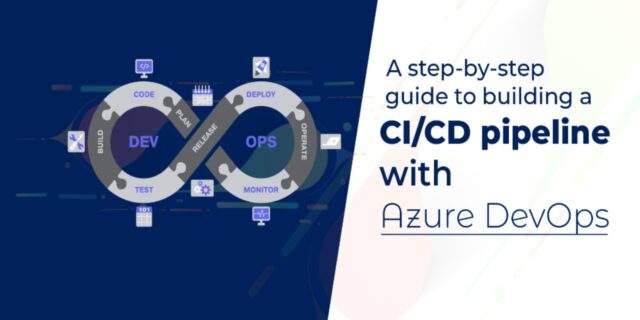
Effortless Software Delivery: A Deep Dive into Azure DevOps CI/CD
What is Azure DevOps?   Azure DevOps, Microsoft’s cloud-powered collaboration hub, unifies the entire software development lifecycle. Seamlessly integrating planning, coding, testing, and deployment, it empowers teams to innovate faster and deliver exceptional software with precision.   Let’s get started with Azure DevOps Pipelines …   Step 1: Signup for free Azure DevOps account Ready...
Exploring MLOps: Simplifying Machine Learning Operations
“Businesses are modernizing operations to boost productivity and enhance customer experiences. This digital shift accelerates interactions, transactions, and decisions, producing abundant data insights. Machine learning becomes a crucial asset in this context. Machine learning models excel in spotting complex patterns in vast data, offering valuable insights and informed decisions on a large scale. These models...
Introduction

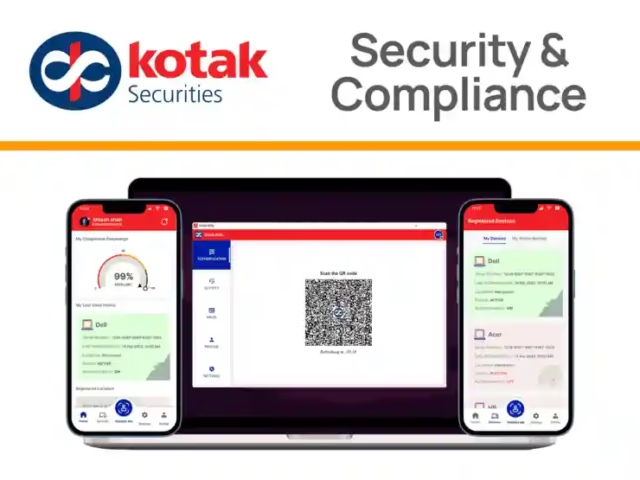
In the fast-evolving financial services industry, security, compliance, and operational efficiency are paramount. Kotak Securities, a leading financial services provider, faced critical challenges in securing terminal access and ensuring that only authorized dealers could operate the system. The absence of a robust verification mechanism not only posed security risks but also impacted the company’s operational efficiency and reputation.

To address these challenges, Texple Technologies developed a custom-built mobile and desktop application that incorporated advanced geolocation tracking, QR code authentication, and secure photo verification. This AI-powered compliance solution significantly enhanced security, reduced unauthorized access, and streamlined dealer verification, ensuring that Kotak Securities maintained the highest operational standards.

Challenges Faced by Kotak Security

Kotak Securities needed a secure and efficient system to regulate access to its trading terminals and prevent unauthorized usage. However, several challenges were limiting their efficiency:

1. Lack of Controlled Terminal Access
  • No proper authentication system to ensure that only authorized dealers could access the terminal.
  • Unauthorized personnel were misusing the system, leading to compliance risks.
  • The absence of real-time monitoring made it difficult to track access violations.
2. Manual & Inefficient Verification Process
  • Time-consuming and error-prone manual verification process.
  • No automated tracking system to validate dealer visits.
  • Inconsistent verification led to inefficiencies and security loopholes.
3. Absence of Accurate Geolocation Tracking
  • No real-time geolocation tracking to ensure that dealers were accessing the system from approved locations.
  • Risk of false dealer check-ins and fraudulent activity.
  • Lack of location data made it difficult to audit visits and track operational efficiency.
4. Compliance & Security Risks
  • The inability to verify authorized users in real time led to potential fraud and non-compliance issues.
  • No multi-factor authentication (MFA) or biometric verification, increasing the risk of identity theft.
  • Compliance violations could lead to financial penalties and damage to brand reputation.
5. Operational Inefficiencies & Lack of Automation
  • Inefficient reporting mechanisms for dealer visits and system usage.
  • Limited data visibility made it hard to audit and optimize operational workflows.
  • Lack of automated tracking and verification led to unnecessary delays in approvals and access control.
Solution Offered by Texple Technologies

To overcome these challenges, Texple Technologies designed and developed a comprehensive mobile and desktop application that leverages AI, geolocation tracking, and biometric authentication to enhance security, automate compliance, and streamline operations.

1. Secure Terminal Access with Multi-Factor Authentication (MFA)
  • Implemented QR code-based authentication to ensure only verified dealers could access the trading terminals.
  • Multi-factor authentication (MFA) combined with biometric login (face ID & fingerprint recognition) for enhanced security.
  • Real-time validation system to prevent unauthorized access attempts.
2. Automated Geolocation Tracking for Dealer Verification
  • Integrated GPS-based geolocation tracking to validate the physical presence of the dealer at the authorized location.
  • Dealers were required to capture a geotagged selfie to confirm attendance.
  • Tamper-proof location tracking ensured that false check-ins were eliminated.
3. QR Code & Photo Verification for Compliance
  • QR code scanning system allowed dealers to quickly verify their identity before accessing terminals.
  • Secure photo capture provided additional authentication, ensuring that only registered personnel could use the system.
  • Encrypted digital records maintained a secure audit trail for regulatory compliance.
4. AI-Powered Compliance Monitoring
  • Implemented AI-driven fraud detection to identify suspicious access patterns.
  • Enabled real-time alerts for unauthorized attempts or unusual activity.
  • Automated compliance reporting system helped the company meet financial regulatory standards effortlessly.
5. Seamless Cross-Platform Accessibility
  • Developed a mobile (Android & iOS) and desktop application to ensure dealers could securely access terminals from different devices.
  • Cloud-based infrastructure allowed for remote monitoring and access control.
  • AWS-powered architecture ensured high availability and reliability.
Technical Architecture & Tech Stack
Technologies Used:
  • Frontend: Flutter for mobile apps, Electron for desktop applications.
  • Backend: .NET Core & Node.js for API services.
  • Database: AWS RDS (PostgreSQL) for secure data storage.
  • Security: End-to-End Encryption, MFA, AWS WAF, AWS Shield.
  • Geolocation & AI: Google Maps API for GPS tracking, AWS SageMaker for fraud detection.
  • CI/CD & Deployment: GitLab CI/CD, AWS Lambda for automation.
Architecture Flow:
  1. User logs in securely using MFA (QR code + Biometric authentication).
  2. The system fetches the geolocation to verify the dealer’s presence at an authorized location.
  3. QR code is scanned, and the dealer captures a photo for identity verification.
  4. AI-driven fraud detection checks for anomalies in access behavior.
  5. Real-time access logs are generated and stored securely in AWS RDS for compliance audits.
  6. Automated alerts are triggered if any unauthorized attempts are detected.
Key Benefits Delivered

With the successful implementation of Kotak Securities compliance and verification solution, Texple Technologies helped the company achieve unmatched security, efficiency, and compliance adherence.

1. Enhanced Security & Access Control

✅ Strict multi-layer authentication prevented unauthorized access.
✅ Real-time location validation ensured that only authorized dealers could use the terminal.
✅ AI-powered fraud detection provided advanced protection against security threats.

2. Streamlined Operations & Improved Efficiency

✅ Automated verification system eliminated the need for manual checks.
✅ Faster dealer authentication improved operational speed and reduced downtime.
✅ Instant QR code scanning & photo verification simplified the process.

3. Regulatory Compliance & Audit Readiness

✅ Encrypted transaction logs ensured full compliance with financial regulations.
✅ Real-time compliance monitoring reduced legal risks.
✅ Automated compliance reports simplified audits and reporting.

4. Seamless User Experience with Cross-Platform Access

✅ Mobile & desktop compatibility allowed seamless access across different devices.
✅ User-friendly interface made it easy for dealers to verify themselves.
✅ Cloud-based solution ensured remote access & secure data storage.

5. Competitive Advantage & Business Growth

✅ Improved reputation & trust by ensuring only authorized personnel could use the system.
✅ Reduced fraudulent activities, boosting company credibility.
✅ Optimized operational efficiency, leading to cost savings & improved service delivery.

Conclusion

By implementing an advanced compliance and verification solution, Kotak Securities successfully transformed its terminal access control and dealer authentication process.

Texple Technologies’ AI-driven security mechanisms, geolocation tracking, and automated compliance system ensured that only verified dealers could access the system, enhancing security, efficiency, and regulatory adherence.

With this cutting-edge solution, Kotak Securities is now equipped with a future-proof infrastructure, empowering them to operate securely, maintain compliance, and optimize operational workflows. 🚀
Introduction

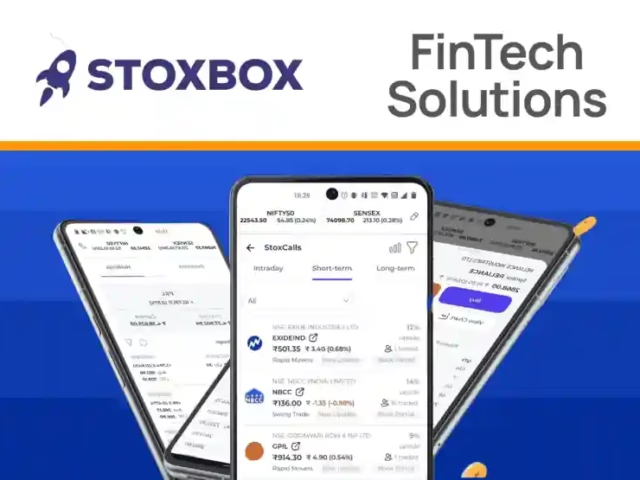
In the fast-paced world of stock trading, technology-driven insights, seamless user experience, and real-time analytics are crucial to staying competitive. StoxBox, a leading stock trading platform, sought to enhance its capabilities by implementing a secure, scalable, and feature-rich trading application.

To achieve this, Texple Technologies, an AWS Partner, collaborated with StoxBox to develop a cutting-edge trading app that integrates AI-powered stock recommendations, real-time user tracking, multi-platform compatibility, and robust security mechanisms. By leveraging AWS Cloud Services and Flutter, StoxBox was able to provide a seamless and intelligent trading experience for its users.

Challenges Faced by StoxBox

As the financial markets evolved, StoxBox needed a modernized platform to cater to its growing user base and maintain its market leadership. However, they faced several challenges:

1. Lack of a Smart Stock Recommendation System
  • The platform lacked an AI-driven recommendation engine to help users make data-backed trading decisions.
  • Users struggled to identify high-potential stocks, leading to missed opportunities.
  • A need for real-time stock analysis to provide actionable insights.
2. Inconsistent User Tracking & Analytics
  • No proper mechanism to track user actions, preferences, and behaviors.
  • Limited analytics resulted in an inability to offer personalized trading suggestions.
  • Lack of user engagement metrics made it difficult to optimize the trading experience.
3. Cross-Platform Compatibility Issues
  • The existing system did not support both mobile and web platforms seamlessly.
  • Users demanded a consistent and responsive UI/UX across multiple devices.
  • Needed an app that could function on iOS, Android, and web with minimal maintenance overhead.
4. Security & Compliance Concerns
  • Sensitive user data and financial transactions required robust security measures.
  • Needed end-to-end encryption, multi-factor authentication (MFA), and fraud detection to prevent cyber threats.
  • Compliance with financial industry regulations was essential to ensure legal adherence.
5. Scalability & Performance Bottlenecks
  • The platform needed to handle high trading volumes, concurrent users, and real-time data updates.
  • Existing infrastructure struggled with sudden spikes in user activity during market fluctuations.
  • Required an auto-scaling solution that could dynamically adjust resources.
Solution Offered by Texple Technologies

To address these challenges, we developed a highly scalable, secure, and AI-powered trading application using AWS Cloud Services and Flutter. The solution included:

1. AI-Driven Stock Recommendation System
  • Integrated machine learning algorithms to analyze market trends and suggest optimal trading strategies.
  • Implemented real-time stock analytics dashboards for instant insights.
  • Personalized recommendations based on user trading history, market conditions, and risk appetite.
2. Real-Time User Tracking & Actionable Insights
  • Deployed AWS Kinesis and AWS Lambda for real-time event tracking and analytics.
  • Enabled personalized trade suggestions using behavior-driven insights.
  • Dashboard with live tracking of user interactions, preferences, and trading patterns.
3. Cross-Platform Compatibility with Flutter
  • Developed a single codebase application using Flutter, ensuring a uniform experience across iOS, Android, and Web.
  • Implemented a highly responsive UI/UX, optimized for traders requiring quick data visualization and execution.
  • Seamless integration with trading APIs for real-time market updates.
4. Enterprise-Grade Security & Compliance
  • End-to-end encryption (AES-256) to protect financial transactions and user data.
  • Implemented multi-factor authentication (MFA) and biometric login for enhanced security.
  • AWS WAF & AWS Shield for DDoS protection and fraud detection mechanisms to prevent unauthorized trading activities.
  • Ensured compliance with SEBI, GDPR, and other financial regulatory standards.
5. Scalable & High-Performance Infrastructure
  • AWS Auto Scaling and AWS ECS were implemented to dynamically scale the platform based on trading volume and user activity.
  • AWS RDS (PostgreSQL) for efficient data storage and Amazon S3 for secure log and document storage.
  • AWS CloudFront & API Gateway to optimize latency and performance for global users.
Key Business Impact & Metrics
  1. Cloud Cost Optimization: Reduced monthly AWS infrastructure spend by 35%.
  2. System Availability: Achieved 99.99% operational uptime during high-volume trading hours.
  3. Release Speed: Accelerated deployment velocity by 3x with automated DevSecOps pipelines.

Client Endorsement
“Texple modernized our cloud architecture and automated our CI/CD pipelines, giving us the scale, uptime, and enterprise-grade security required for high-frequency financial trading.”

Engineering Leadership, StoxBox

Technical Architecture & Tech Stack
Technologies Used:
  • Frontend: Flutter (Cross-platform mobile & web app)
  • Backend: .NET Core & Node.js for API services
  • Database: AWS RDS (PostgreSQL) for structured data storage
  • Security: AWS WAF, AWS Shield, Multi-Factor Authentication (MFA), End-to-End Encryption
  • CI/CD: GitLab CI/CD for automated deployment and updates
  • Cloud Infrastructure: AWS Auto Scaling, AWS Lambda, AWS S3, AWS CloudFront, AWS API Gateway
  • AI/ML: AWS SageMaker for AI-based stock recommendations
Architecture Flow:
  1. Users log in securely with MFA and biometric authentication.
  2. The trading dashboard fetches real-time stock data via APIs.
  3. AI-powered stock recommendations are generated based on historical trends & user behavior.
  4. User activities are tracked in real-time, enabling personalized trading suggestions.
  5. AWS Auto Scaling manages resource allocation, ensuring high performance during market fluctuations.
  6. CI/CD pipelines automate deployments, ensuring continuous feature updates and improvements.
Key Benefits Delivered

With the deployment of StoxBox’s next-generation trading platform, Texple helped the company achieve:

1. Enhanced User Engagement & Experience

✅ Personalized stock recommendations increased user engagement.
✅ Real-time market updates and AI-powered insights improved decision-making.
✅ Cross-platform compatibility ensured seamless access on mobile & web.

2. Increased Revenue from Subscriptions

✅ Introduced secure subscription models, allowing users to access premium trading insights.
✅ Subscription-based AI-driven recommendations provided high-value insights to traders.
✅ Improved retention rates with real-time engagement features.

3. Scalable & Resilient Infrastructure

✅ AWS Auto Scaling ensured zero downtime, even during peak trading hours.
✅ AWS Lambda reduced infrastructure costs by optimizing resource usage.
✅ Scalable backend architecture allowed rapid growth without performance bottlenecks.

4. Advanced Security & Compliance

✅ End-to-end encryption protected financial data and transactions.
✅ MFA, biometric authentication, and AWS WAF enhanced security against cyber threats.
✅ Regulatory compliance ensured adherence to financial industry standards.

5. Competitive Edge in the Market

StoxBox positioned itself as a tech-driven trading leader.
✅ Faster trade execution, intelligent insights, and seamless UX set the platform apart from competitors.
✅ Future-ready architecture ensures long-term sustainability and innovation.

Conclusion

Through Texple’s expertise in AWS cloud solutions, Flutter development, and AI-driven analytics, StoxBox successfully transformed its trading experience into a cutting-edge, scalable, and highly secure platform.

By implementing real-time stock recommendations, user tracking, automated CI/CD, and AWS-powered security, StoxBox now delivers an unparalleled trading experience, enabling investors to make smarter financial decisions, trade efficiently, and stay ahead in the market.

With this state-of-the-art solution, StoxBox continues to expand its user base, drive revenue growth, and maintain its competitive edge in the financial industry. 🚀

Introduction

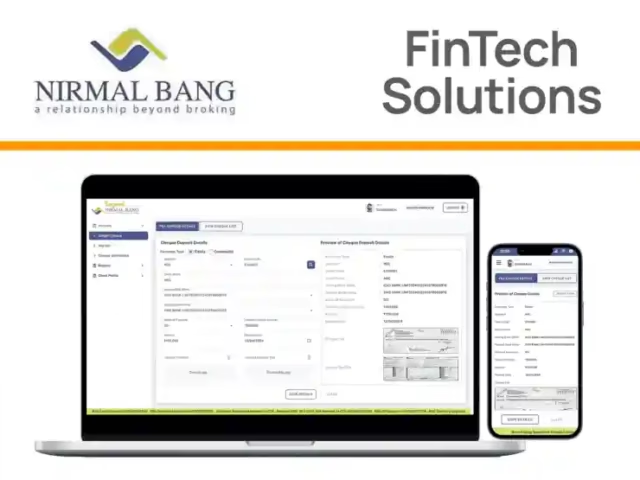
Nirmal Bang, a leading financial services firm, sought to modernize its back-office systems while reducing costs through cloud migration and automation. Managing large data volumes, trade reconciliations, compliance risks, and onboarding inefficiencies posed significant challenges.

Texple partnered with Nirmal Bang to build a scalable, cost-effective, and automated solution using cloud infrastructure, cutting-edge web technologies, and seamless data integration.

Project Scope & Texple’s Role

Texple was responsible for developing a scalable and automated deployment pipeline to ensure:
✅ Efficient code deployment through automated workflows.
✅ Optimized cloud infrastructure to reduce operational costs.
✅ Real-time data processing for financial transactions.
✅ Faster onboarding & reconciliation to enhance operational efficiency.

Client Endorsement

“Texple’s cloud architecture overhaul optimized our infrastructure, cutting operational costs by 40% while enhancing performance and security across our trading systems.”

IT Leadership, Nirmal Bang

Technical Overview of Nirmal Bang’s FinTech Solution
Tech Stack:
  • Frontend: Next.js
  • UI Frameworks: Material UI, PrimeReact
  • API & Data Handling: Axios
  • Charts & Analytics: Chart.js
  • Authentication & Notifications: Firebase
  • Infrastructure: AWS (S3, Spot Instances, ALB, Event-Driven Architecture)
Automated CI/CD Pipeline:
  1. Code Packaging: The application code is zipped and uploaded to an S3 bucket.
  2. S3 Event Notification: An event is triggered when a new file is uploaded.
  3. Spot Instance Activation: A spot instance is launched dynamically to process the new code.
  4. Build & Deployment: The spot instance:
    • Pulls the code from S3
    • Builds the application
    • Deploys it on an Ubuntu-based server
  5. Load Balancing: The spot instances are managed behind an AWS Application Load Balancer (ALB) to ensure high availability and failover support.
Challenges & Solutions
1. High Operational Costs from Traditional Infrastructure

Problem: Legacy systems led to high infrastructure costs due to underutilized resources.
Solution: By implementing Spot Instances, Texple reduced compute costs significantly while maintaining scalability and reliability.

2. Managing Large Data Volumes & Reconciliation Delays

Problem: Trade reconciliation and data processing were slow and error-prone.
Solution:

  • Real-time data processing using event-driven architecture.
  • Optimized Next.js frontend for faster data visualization.
  • Implemented automated reconciliation workflows for accurate financial tracking.
3. Ensuring Compliance & Reducing Trade Errors

Problem: Compliance checks and trade verifications were time-consuming.
Solution:

  • Automated monitoring tools for data validation.
  • Chart.js-based dashboards for real-time trade analysis.
  • Firebase authentication & security layers for data integrity.
4. Slow Onboarding & KYC Process

Problem: Manual KYC verification led to delays in onboarding new users.
Solution:

  • Streamlined KYC workflows using automated form validation.
  • Integrated Firebase notifications for real-time user updates.
Key Benefits Delivered

✅ Cost Reduction: Cloud migration & Spot Instances cut infrastructure costs by 40%.
✅ Scalability: Load-balanced deployment ensured high availability.
✅ Real-Time Data Processing: Faster trade reconciliation and reduced errors.
✅ Improved Compliance: Automated checks minimized regulatory risks.
✅ Faster Onboarding: Enhanced KYC automation improved customer acquisition.

Conclusion

By leveraging cloud automation, real-time data integration, and event-driven workflows, Texple successfully modernized Nirmal Bang’s back-office operations. This resulted in a scalable, efficient, and cost-effective FinTech solution that drives better financial management and operational excellence.

Introduction

One of the leading players in India’s stock broking industry, this firm is dedicated to empowering investments and securing financial futures. Offering comprehensive investment and trading solutions, the company has built a strong reputation for its expertise. As the business expanded, its legacy on-premises infrastructure became a bottleneck, limiting scalability, increasing operational costs, and slowing down feature deployment. To overcome these challenges, the firm decided to modernize its infrastructure by migrating to AWS, leveraging automation and cloud-native solutions to enhance performance, scalability, and cost efficiency.

Requirements

One of India’s top stock brokers required a robust, scalable, and cost-effective cloud solution that could:

  • Handle fluctuating market traffic efficiently.
  • Improve resource management and scalability.
  • Automate deployments for faster and more reliable releases.
  • Optimize costs while maintaining high performance.
  • Implement monitoring and alerting for proactive management.
Challenges

One of India’s top stock brokers faced multiple challenges with its legacy infrastructure, including:

  • Scalability Issues: The on-premises setup struggled to handle peak trading hours, leading to performance bottlenecks.
  • High Costs: Running all workloads on EC2 instances resulted in excessive operational expenses.
  • Inefficient Resource Management: Manual scaling and resource allocation led to inefficiencies.
  • Slow Deployment Process: Lack of automation slowed down the release cycle, affecting business agility.
  • Monitoring & Alerting Gaps: Limited visibility into infrastructure health impacted proactive issue resolution.
Solution

To address these challenges, One of India’s top stock brokers adopted a cloud-native approach by migrating to AWS. The key solutions implemented included:

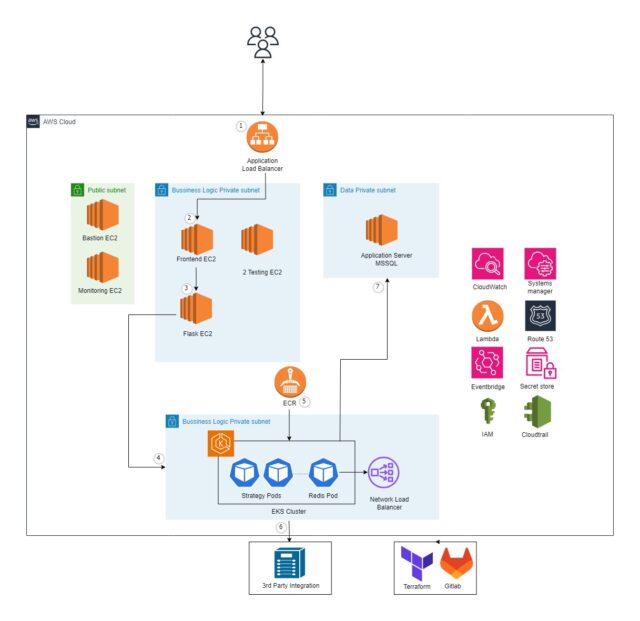
  • AWS EKS (Elastic Kubernetes Service) to run containerized applications with automated scaling.
  • Application Load Balancer (ALB) Ingress Controller to expose resources securely.
  • AWS Lambda to automate infrastructure downscaling aftermarket hours, reducing costs.
  • Terraform for Infrastructure as Code (IaC) to automate resource provisioning.
  • GitLab CI/CD Pipeline to streamline and automate deployments.
  • Amazon RDS for efficient and managed database services.
  • Amazon ECR to securely store and manage container images.
  • AWS CloudWatch for real-time monitoring with alerts configured for database instances.
  • AWS IAM (Identity and Access Management) for role-based access control and enhanced security.
  • AWS Budget Alerts to track and optimize cloud costs.
  • AWS EventBridge for automating event-driven actions across AWS services.
  • AWS CloudTrail for auditing and tracking API activity for security and compliance.
Approach
  • Assessment & Planning:

    • Evaluated the existing on-premises setup and identified key bottlenecks.
    • Designed an optimized AWS architecture tailored for scalability and cost efficiency.
  • Migration to AWS:

    • Shifted workloads from EC2 instances to AWS EKS, leveraging Kubernetes’ scalability.
    • Implemented ALB ingress for efficient traffic routing and secure exposure of services.
  • Automation & Optimization:

    • Used Terraform to automate infrastructure provisioning and ensure consistency.
    • Integrated GitLab CI/CD for rapid and reliable deployment cycles.
    • Implemented AWS Lambda functions to scale down non-essential resources post-market hours.
  • Monitoring & Security:

    • Configured AWS CloudWatch for real-time monitoring and alerting on infrastructure health.
    • Implemented IAM best practices for secure access management.
Services Implemented
  • AWS EKS – Managed Kubernetes cluster for scalable container orchestration.
  • AWS ALB Ingress Controller – For exposing services securely and efficiently.
  • AWS Lambda – Automated infrastructure downscaling for cost efficiency.
  • Terraform – Infrastructure as Code for automated provisioning.
  • GitLab CI/CD – Automated deployment pipeline for faster releases.
  • Amazon RDS – Managed relational database service for high availability.
  • Amazon ECR – Secure, scalable container registry for Docker images.
  • AWS CloudWatch – Real-time monitoring and alerting.
  • AWS IAM – Role-based access control and security policy management.
  • AWS Budget Alerts – Cost monitoring and optimization tool.
  • AWS EventBridge – Event-driven automation and orchestration.
  • AWS CloudTrail – API activity tracking and security auditing.
Architecture:

Benefits Achieved
  • 45% Cost Reduction: Migrating from EC2 to AWS EKS significantly optimized costs.
  • Seamless Scalability: Kubernetes autoscaling ensured optimal performance during peak trading hours.
  • Faster Deployment: CI/CD pipeline reduced deployment time and improved release cycles.
  • Improved Resource Efficiency: Automated downscaling of infrastructure minimized unnecessary resource usage.
  • Enhanced Monitoring & Security: CloudWatch provided real-time insights, enabling proactive issue resolution.
Conclusion

By modernizing its infrastructure with AWS, One of India’s top stock brokers successfully overcame the limitations of its legacy setup. The adoption of Kubernetes, automation, and cloud-native solutions resulted in better scalability, cost efficiency, and operational agility. This transformation not only optimized current infrastructure but also positioned the company for future growth and innovation in the stock brokerage industry.

Introduction:

Our client, a prominent technology firm in the industry, faced significant challenges with cloud cost management. As their cloud infrastructure expanded, they recognized the need to optimize costs. This was crucial for maintaining profitability. They also aimed for operational efficiency. Our FinOps consulting services were engaged to address these challenges.

Requirements:
  • Reduce cloud costs while simultaneously maintaining or improving system performance and reliability.
  • Gain better visibility into cloud spending and allocate costs accurately to different teams and projects.
  • Implement a proactive cost management strategy to prevent budget overruns.
  • Ensure that cost optimization measures do not compromise the availability and performance of critical services.
Challenges:
  • Lack of visibility: The client had limited visibility into their cloud spending, making it difficult to identify areas of waste or inefficiency.
  • Uncontrolled resource provisioning: Teams were provisioning cloud resources without clear guidelines, resulting in over-provisioning and underutilization.
  • Complexity of cost allocation: The client struggled to accurately allocate cloud costs to various teams and projects, making it challenging to hold teams accountable for their spending.
  • Fear of service disruption: There was a concern that implementing cost optimization measures might disrupt critical services or compromise performance.
Solution:
  • Cost Visibility: We implemented a robust cloud cost management tool that provided real-time visibility into cloud spending. This tool tracked expenses at the resource level, enabling detailed cost analysis.
  • Tagging Strategy: We worked with the client to develop a comprehensive tagging strategy for cloud resources. This strategy allowed for accurate cost allocation to different departments and projects.
  • Rightsizing Resources: We conducted a thorough resource utilization analysis and identified instances that were over-provisioned. By right-sizing instances and adopting auto-scaling policies, we achieved significant cost reductions without sacrificing performance.
  • Reserved Instances: We recommended purchasing Reserved Instances for stable workloads, ensuring cost savings through long-term commitments.
  • Spot Instances: For non-critical workloads, we strategically implemented the utilization of spot instances, significantly reducing costs while maintaining reliability.
  • Budgeting and Alerts: We assisted the client in establishing budgets for various departments and projects, with automated alerts triggered when spending approached or exceeded budgeted limits.
The Approach:
  • Assessment: We conducted an initial assessment of the client’s cloud infrastructure, spending patterns, and resource utilization.
  • Tagging Strategy: We collaborated closely with the client’s IT and finance teams to develop and implement a robust tagging strategy.
  • Rightsizing and Optimization: We performed a comprehensive analysis of resource utilization and identified opportunities for cost reduction through rightsizing, reservation, and spot instances.
  • Training: We provided FinOps training to the client’s teams to ensure they understood the new cost management practices and how their actions could impact cloud spending.
  • Monitoring and Continuous Improvement: We established continuous monitoring and regular reporting to track progress in cost optimization and identify areas for further improvement.
Benefits Achieved:
  • Significant Cost Reductions: Achieved a 30% reduction in monthly cloud expenses over six months.
  • Improved Visibility and Control: The company now has better control over cloud spending and accurate cost allocation.
  • Proactive Cost Management: Implemented a proactive cost management strategy to prevent budget overruns.
  • Maintained Performance and Reliability: Ensured that cost optimization measures did not compromise the availability and performance of critical services.
Conclusion:

By implementing cost visibility, tagging, rightsizing, and budgeting strategies, our client achieved significant cost reductions. This improved their cloud operations. Over a span of six months, they achieved a 30% reduction in monthly cloud expenses, all while maintaining system performance and reliability. The company now has better control over cloud spending, accurate cost allocation, and a proactive cost management strategy in place. This case study demonstrates how effective FinOps practices lead to substantial cost savings. They also enhance operational efficiency for organizations using cloud services.